
 Reference photo
Flower box
Hanging Flower Box
DIY blueprint for Hanging Flower Box.
Dimensions
Width (W)
500mm
Depth (D)
200mm
Height (H)
180mm
Cut list
Tools you'll need
- ✓
Measuring tape (5m or longer)
Used for measuring lumber pieces
- ✓
Pencil and carpenter's square
For marking lines and checking right angles
- ✓
Saw
Home center cutting service recommended
- ✓
Cordless driver
Impact driver improves work efficiency
- ✓
Sandpaper
Prepare #120 and #240 grits
- ✓
Level
Essential for checking horizontality during assembly
- ✓
Clamps (2 or more)
For temporary fixing during joining
- ✓
Brush and paint tray
Used for applying wood preservative
Materials
Build steps
- 1
Measure and confirm installation location
≈ 15 minMeasure the installation site for the hanging flower box (500×200×180mm). Check the window frame size, water splash path during watering, and sunlight exposure (ideal facing southeast).
MeasureW 500 mmMeasureSTEP 1 / 10Tip
- Make the box width 50mm smaller than the window frame for easier installation
- Design with 20-30mm clearance from the wall to prevent water stains on walls or windows during drainage
- If attaching to balcony railing, measure railing width in advance
Watch out
- Measure the inner dimensions of the window frame, not the outer; overlooking frame thickness causes misfit
- Plants won’t grow if the location is north-facing with poor sunlight; check daily sun exposure
- 2
Cut and prepare lumber
≈ 20 minCut SPF 1x6 lumber (12×140mm) into front and back boards (12×140×500mm) ×2, side boards (12×140×180mm) ×2, and bottom boards (12×140×476mm) ×2. Prepare 30 pieces of 38mm coarse-thread screws. Also prepare one can of water-based outdoor wood preservative.
CutUse the in-store cut serviceCutSTEP 2 / 10Tip
- SPF 1x6 lumber can be thin and prone to warp; check straightness along the edges at purchase
- Bottom boards are 776mm long ×2, sized to fit inner width 776mm between front and back boards of 800mm
- Cutting at home centers is precise and costs 30-50 yen per cut
Watch out
- Without pilot holes, thin boards crack easily when screwing
- Using non-stainless screws causes rust outdoors within a year
- 3
Sanding
≈ 25 minSand all lumber first with #120 grit, then #240 grit sandpaper. Carefully bevel all inside corners to protect plant roots. Pay extra attention to end grains as they absorb water.
Sand#120SandSTEP 3 / 10Tip
- End grains are exposed fibers and pathways for water ingress; sealing well with preservative is key to longevity
- Sand both exterior and interior thoroughly to avoid roots catching
- Bevel corners to protect plants from injury
Watch out
- Avoid bringing dust indoors; do sanding outside
- Leaving sanding dust on before painting causes rough finish
- 4
Assemble front/back and side boards
≈ 30 minAlign side boards inside the ends of front and back boards. Apply a thin layer of wood glue to end grain surfaces. Drill φ3mm pilot holes from front/back boards, then fasten each joint with two 38mm coarse-thread screws (8 screws total for 4 joints). Check right angles at corners using a carpenter's square as you proceed.
Build the frameTighten joints firmlyAssembleSTEP 4 / 10Tip
- 1x6 lumber is 12mm thick and thin; 38mm screws length includes 12mm + 12mm plus glue layer, suitable length
- Always drill pilot holes first; 12mm thick boards split easily
- Wipe off excess glue immediately with a damp cloth
Watch out
- Screwing 38mm screws without pilot holes causes splitting
- Excess glue oozing inside prevents paint adherence
- 5
Attach bottom boards and process drainage holes
≈ 25 minPlace the two bottom boards (140×776mm) inside the box with a 5mm gap between them to aid drainage. Drill 4 to 6 drainage holes of 8mm diameter in the center of the bottom boards for excess water to escape. Drill pilot holes and fix with two 38mm coarse-thread screws at each joint with side and front/back boards.
Drill a hole下穴 φ3.5mmDrillSTEP 5 / 10Tip
- Drainage holes are essential to prevent waterlogged soil and root rot
- A 5mm gap between bottom boards improves drainage; use chopsticks as spacers for uniform gap
- Laying pumice on bottom boards prevents drainage holes clogging
Watch out
- Omitting drainage holes kills plants
- Sealing bottom boards without gaps causes moisture retention and wood rot
- 6
Check right angles and prepare for painting
≈ 15 minMeasure the diagonals of the assembled box frame with a tape measure; ensure the difference is within 2mm. If distorted, clamp the frame to correct it. Lightly sand the entire surface with #240 grit and remove all dust.
InspectNo wobble ✓InspectSTEP 6 / 10Tip
- Diagonal difference exceeding 2mm may prevent fitting pots properly
- Remove glue residue by sanding as glue repels paint
- Treat interior surfaces with equal care
Watch out
- Ignoring distortion causes misfit in window frame
- Painting over dust causes rough surface
- 7
First coat of outdoor wood preservative
≈ 30 minApply a water-based outdoor wood preservative (e.g., Xyladecor, Osmo Color) with a brush over all surfaces including front, back, sides, bottom edges and end grains. Apply generously on end grains to allow deep penetration. Let dry naturally for 2 to 3 hours.
PaintWatco oil / varnishPaintSTEP 7 / 10Tip
- Penetration into end grains ensures preservative effectiveness
- Water-based preservatives clean easily with water, user-friendly for beginners
- Applying inside protects wood from moisture in plant soil
Watch out
- Applying too thick causes uneven drying and peeling later; thin two coats are best practice
- Rain before drying causes film to run; check weather forecast before painting
- 8
Second coat of paint
≈ 30 minAfter the first coat dries, lightly rub the surface with #400 grit sandpaper, then apply a thinner second coat. Proper film formation is important for outdoor durability. Allow full curing for 24 hours or more.
PaintWatco oil / varnishPaintSTEP 8 / 10Tip
- Two coats greatly improve protection; essential for outdoor use
- Light sanding smooths raised fibers adequately
- Dry in dust-free environment
Watch out
- Rain before full curing causes film run; adhere to 24-hour drying minimum
- Over-sanding can remove first coat film
- 9
Install on window frame
≈ 30 minSecure the box to the window frame using L-brackets or dedicated brackets, anchoring firmly into wood studs or framing inside the wall. After installation, gently shake the box to confirm stability and absence of wobble.
Fix to the wallAnchor to studsInstallSTEP 9 / 10Tip
- An empty box is light but soil, water, and plants weigh over 10kg; use strong hardware
- Locate studs with a stud sensor before screwing
- Detachable hanging types exist for ease of watering and cleaning
Watch out
- Exceeding bracket load capacity risks falls
- Drywall alone can’t hold screws; always tie into framing
- 10
Planting and final check
≈ 25 minLine the interior with root barrier sheet or nonwoven fabric to prevent direct soil contact with wood. Add a 2cm layer of pumice for drainage before filling with soil and plants. Water thoroughly and confirm drainage through holes. Monitor daily for several days post-installation.
Done!Done — nice work!DoneSTEP 10 / 10Tip
- Root barrier sheet extends wood life by 3-5 years; available at 100-yen shops
- Pumice prevents clogging of drainage holes
- Initial heavy watering checks proper drainage
Watch out
- Without root barrier sheet, wood deteriorates from moisture
- Water runoff stains below; prepare drainage catch trays to protect walls
Warnings
- ⚠️For outdoor use, applying wood preservative is essential (reapplication recommended annually)
- ⚠️Use stainless steel screws (iron screws will rust)
- ⚠️Drill pilot holes before screwing to prevent wood splitting
Custom design
Changing the dimensions roughly scales the cut list. Get the precise calculation in the app.
Enter dimensions (mm)
Quick estimateWidth W
Depth D
Height H
Base size 500×200×180 mm
Cut list (preview)
Total board length ≈ 2.4 m · Available at: カインズ / コメリ / コーナン / DCM
Accurate materials, prices, and cuts in the app
Per-retailer pricing, purchase links, and optimal cut layouts are auto-calculated in the app.
Examples2 examples
View all → Hanging Flower Box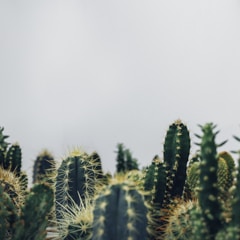
Actual cost
¥1,620
Build time
1 h 23 min
Home center
コメリ
週末を使ってハンギングフラワーボックスを作りました。一人暮らしなので一人で組み立てられる構造に。L 字金具でベランダ手すりに固定。風が強い日でも安心。ホームセンター店員さんに相談しながら進めたのが良かった。
 Hanging Flower Box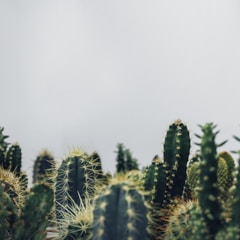
Actual cost
¥1,209
Build time
1 h 7 min
Home center
DCM
ハンギングフラワーボックスを自作しました。底に 8mm の水抜き穴を 4 箇所。鉢底ネットを敷いて土漏れ防止。費用対効果も高くて満足です。
Ratings
Comments2
- woodlab.jp2026/04/26

底板に網を貼ると土が漏れず、水だけ抜けて維持しやすくなりますよ
- 焼き杉派_782026/04/26

プランター作ってみたいです、底に穴開けるだけで水捌けは大丈夫ですか
Post comments from the app
Open in appCustomize the size in the app
Enter width, depth, and height in the app — the blueprint and material list are generated for you.
Find more blueprints in this category or store

